Quoted By:
The ideal intermediate cartridge should be a 6.5mm projectile, 120gr weight with a velocity of 2500fps, achieved by cutting down and necking up the 5.56mm cartridge for bolt & magazine compatibility. Similar energy to 7.62x39 but flatter trajectory, carries more energy out at range, and can punch through barriers/foliage better than 5.56 without needing steel core ammo and better wounding than steel core.
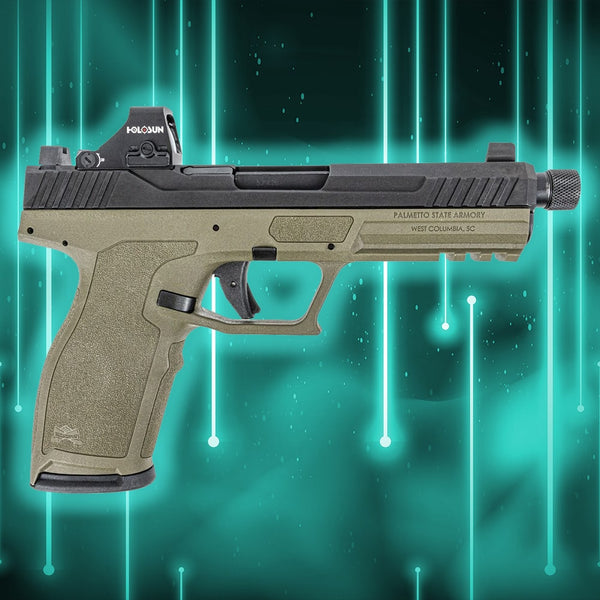
The ideal handgun cartridge is unironically .40 S&W. You can get 165gr HP's @ 1100fps, or 200gr HP's @ 800fps. It's an ideal "jack of all trades" handgun cartridge. Cheap .40 FMJ's have superior expansion to 9mm, and .40 is still high enough velocity + small enough diameter to penetrate steel helmets. It's adequate enough to take game with too.
Both the Kalashnikov and Stoner rifle designs have yet to reach their peak potential and most likely never will due to how standardized the market is, any genuine improvements on the designs will die out due to being proprietary.
The FN-49 is a superior ban-state rifle compared to any Garand-based design, it's simply sturdier and more resistant to the elements.